Stone in the
Polish Garden
An overview of natural stone applications in residential outdoor spaces — from paved terraces and retaining structures to ornamental elements that define garden character.

An overview of natural stone applications in residential outdoor spaces — from paved terraces and retaining structures to ornamental elements that define garden character.
Three focused guides on stonework in residential gardens, with specific reference to conditions and materials available in Poland.
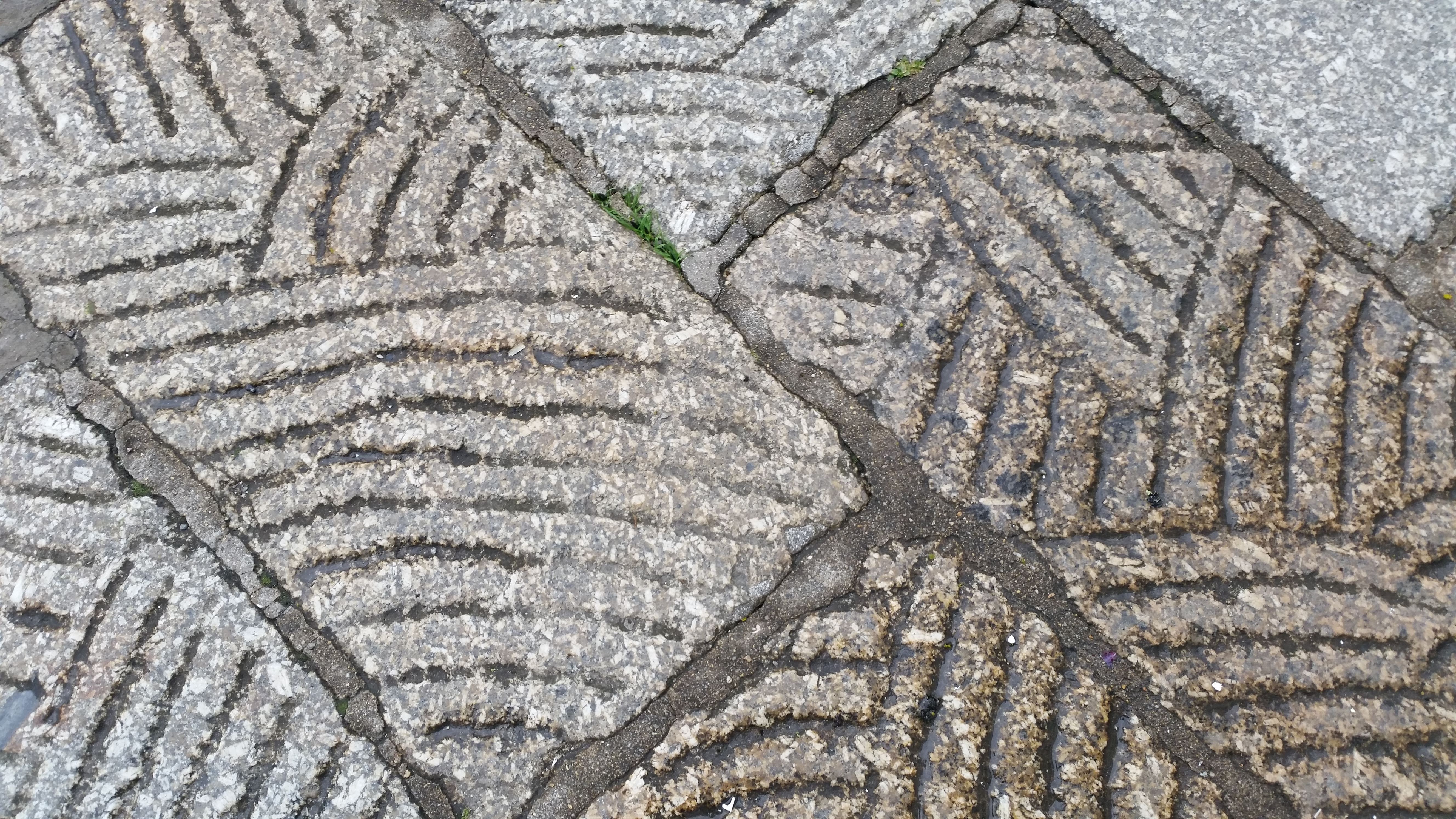
How granite sett, sandstone slabs, and limestone flags are laid in Polish residential gardens — bond patterns, substrate requirements, and drainage considerations.
Read article →
Structural principles, stone selection, and batter angles for gravity retaining walls — with notes on frost heave specific to Central European climates.
Read article →
Stone edging, steps, water features, and carved elements — their placement within the garden composition and the materials most suited to outdoor weathering.
Read article →Stone is one of the few materials that improves visually with age. Its structural and aesthetic properties make it a reliable choice for outdoor environments with significant temperature ranges.
Dense stone absorbs heat during the day and releases it slowly at night, moderating temperature in terraced areas — relevant in Polish summers where clay soils shift with frost cycles.
Granite sett used in historical Polish urban spaces has remained structurally sound for over a century. The same durability applies when granite is used in residential garden paving with a proper sub-base.
Not all stone is equal under freezing conditions. Sandstone with high porosity can crack after repeated freeze-thaw cycles. Granite and quartzite remain dimensionally stable at temperatures common in northern Poland.
Stone provides crevices and thermal gradients that benefit certain insects and mosses — an incidental ecological contribution in gardens designed without intensive chemical maintenance.
Publicly accessible sources on materials, techniques, and design standards relevant to garden stonework.